Book Reviews
MUNICH by ROBERT HARRIS
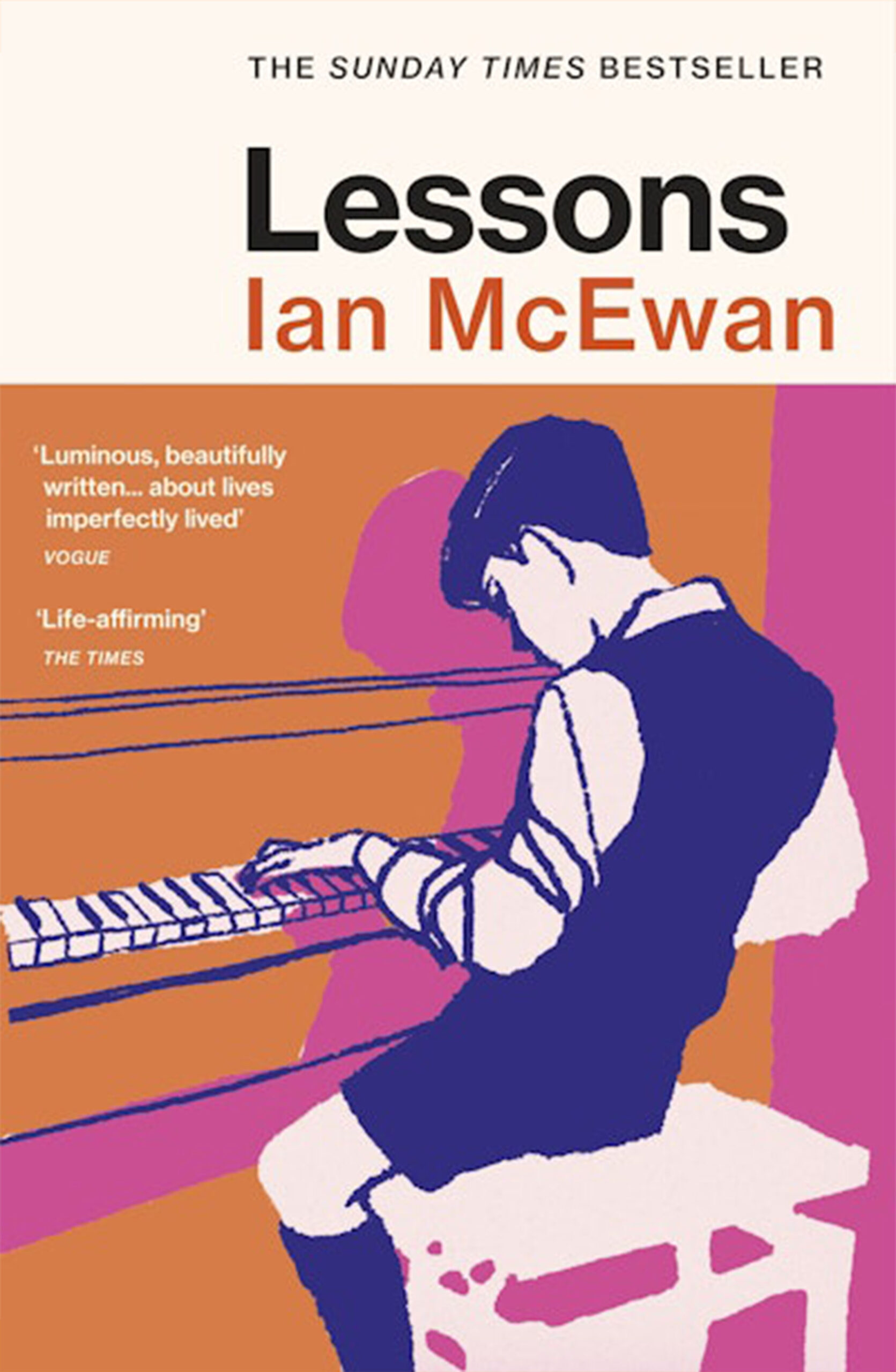
Lessons by Ian McEwan
I began this novel with high expectations. McEwan is to fiction what Ronnie O’Sullivan is to a snooker table, a yarn spinner top class. He can construct brilliant word breaks with breathtaking speed. He can detect angles of Human Nature most of us are blind to and pocket them so cleanly from seemingly impossible distances that you spectate in awe of his genius. Yet after 107 pages and three chapters I am beginning to wonder if Macker is losing his cue action?
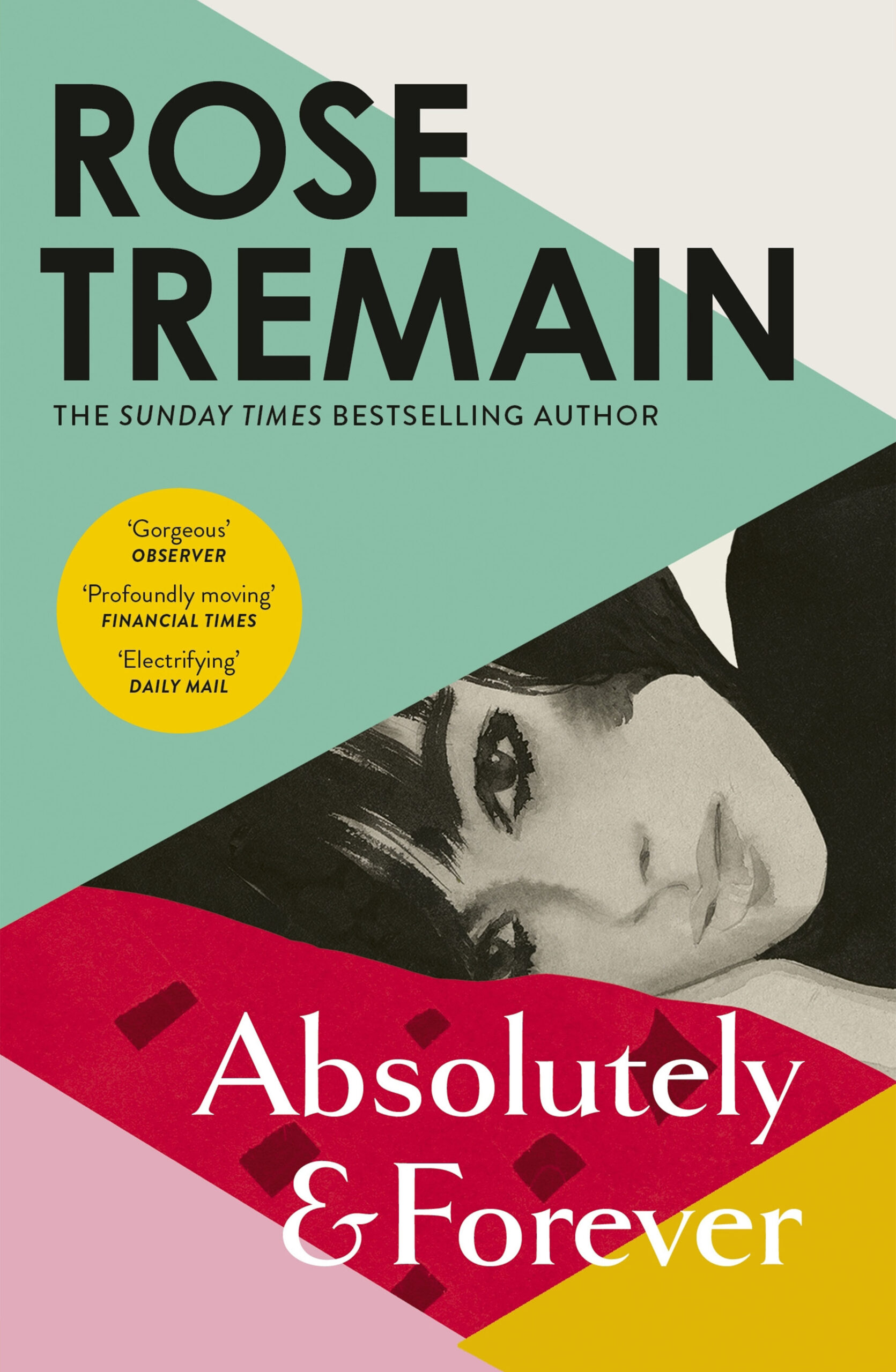
ABSOLUTELY AND FOREVER by ROSE TREMAIN
At one point in this slim coming-of-age novel, Rose Tremain’s 17th, the main character, Marianne, is accused by her husband, Hugo, of being “a bloody difficult person to like”. Marianne is genuinely perturbed by this. She married him more than 10 years before, when she was just 20. It is the early 1970s, Hugo runs a London auction house, and they are in Paris – Marianne has been patiently looking at model puppet theatres all day.
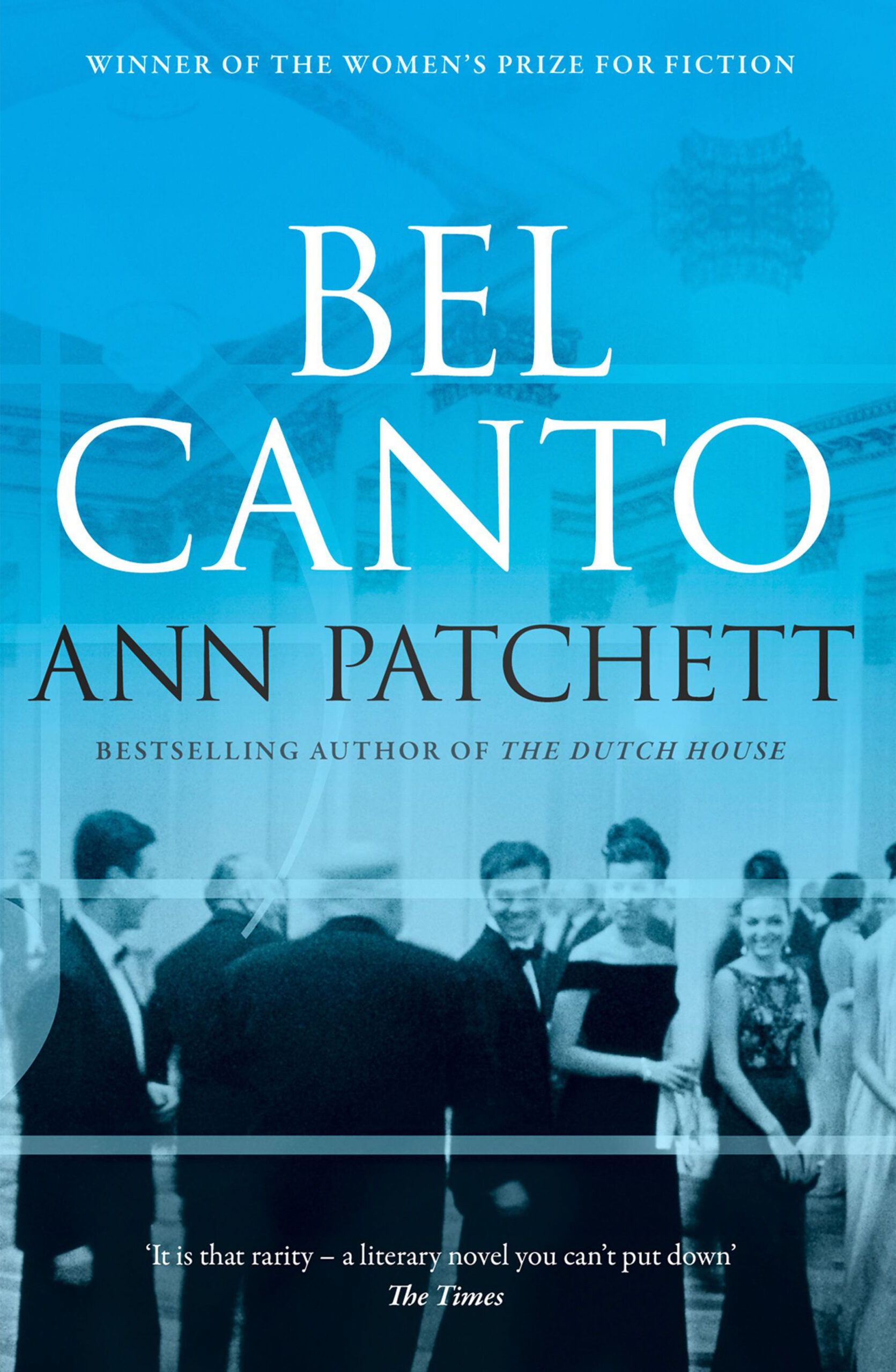
BEL CANTO by ANN PATCHETT
Mr Hosokawa had disciplined himself since early childhood to want only the things that were possible to have. These things did not include “happiness” a concept that he barely if at all understood. They did include an enormous global industry, a productive family and an understanding of music. The reader is made to feel Mr H is a typical product of an old school rigidly traditional and stoically hard working Japanese culture. When the government of an unnamed South or perhaps mid American country
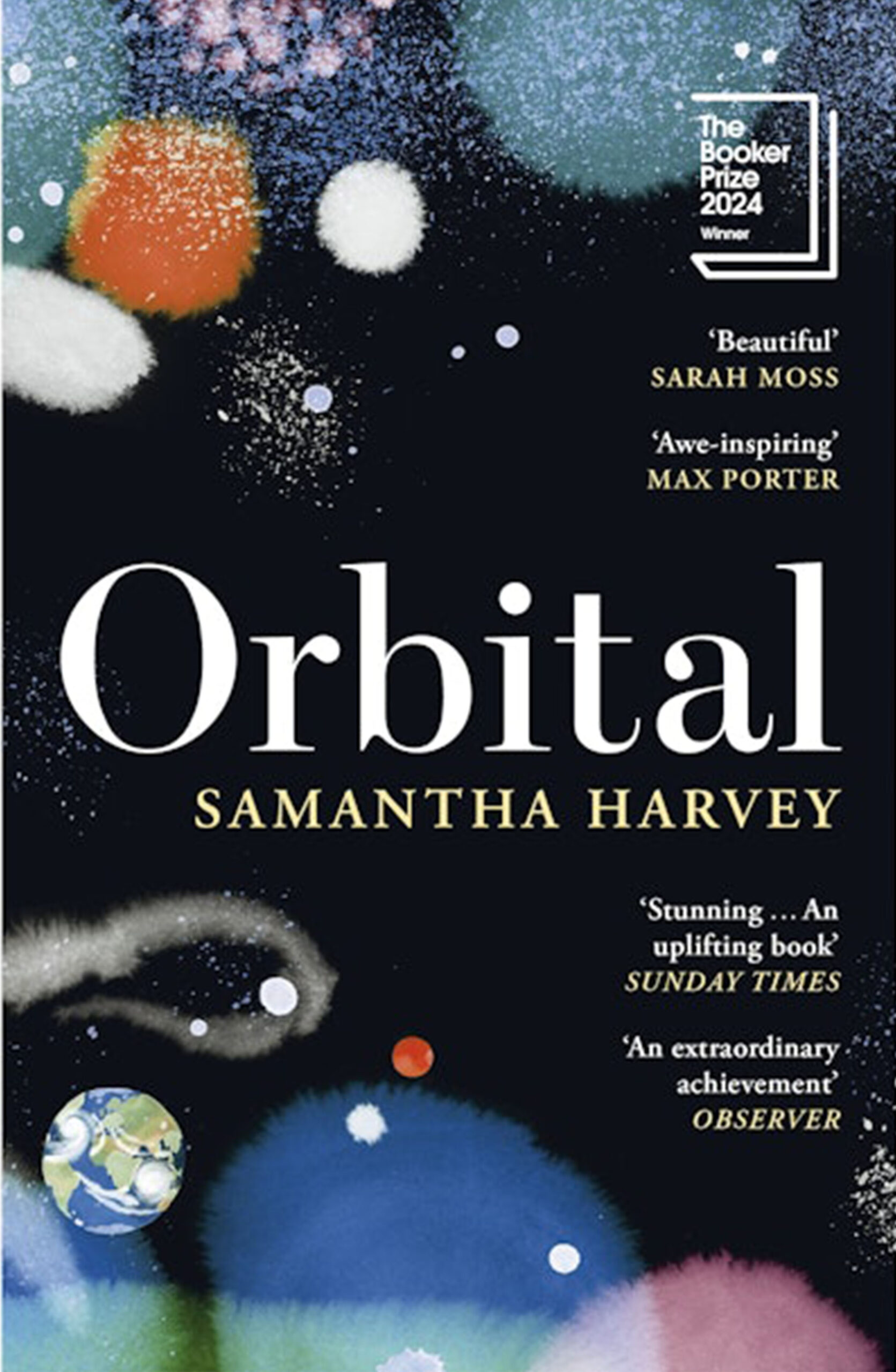
ORBITAL by SAMANTHA HARVEY
Raw space is a panther, feral and primal,” the author informs us in the opening paragraph. The astronauts “dream it stalking through their quarters.” There are six of them fast asleep in bags while “a handspan away beyond a skin of metal the universe unfolds in simple eternities.” I took a deep semi-sceptical breath. This is heavy duty whipped double cream alcohol-laced over-writing with a fancy meringue topping. It is meant to seduce and impress the erudite. “Look here, reader, I’m a genius conjuror of sumptuous figures of speech and oxymoronic paradoxes,” it announces immodestly.
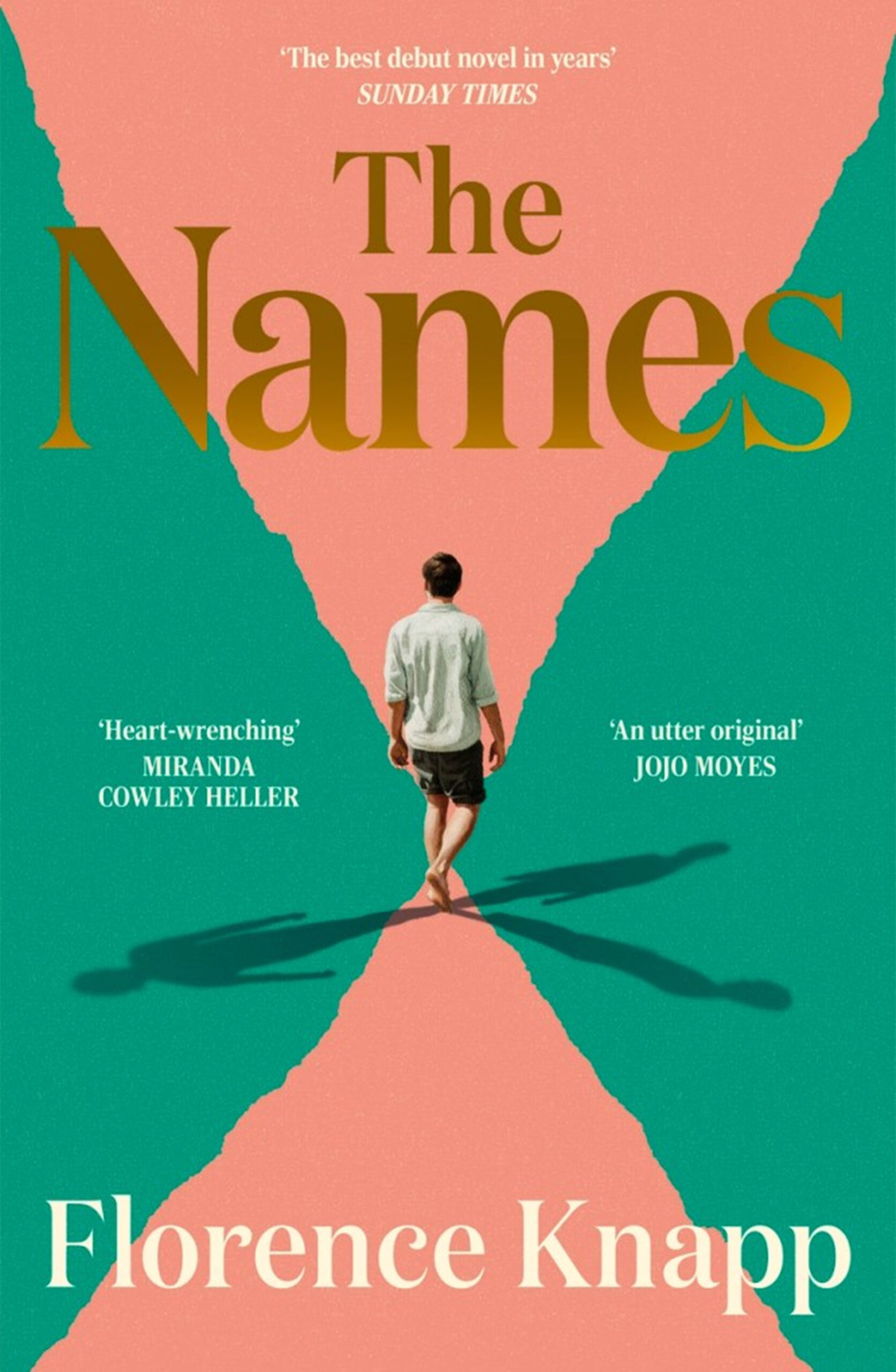
THE NAMES by Florence Knapp
As a very hot spell of weather impended and my energy levels were diminishing I decided to access this novel by audio book, lie down by the side of a pool and allow the sentences to gently caress me. The lilting accent of an Irish female reader advanced me quickly into the heart of the story which is set initially in 1987, the year of the great storm when Cora has just given birth to her second child, a boy her husband wants to name Gordon after himself and the long line of Atkins patriarchs who preceded him.
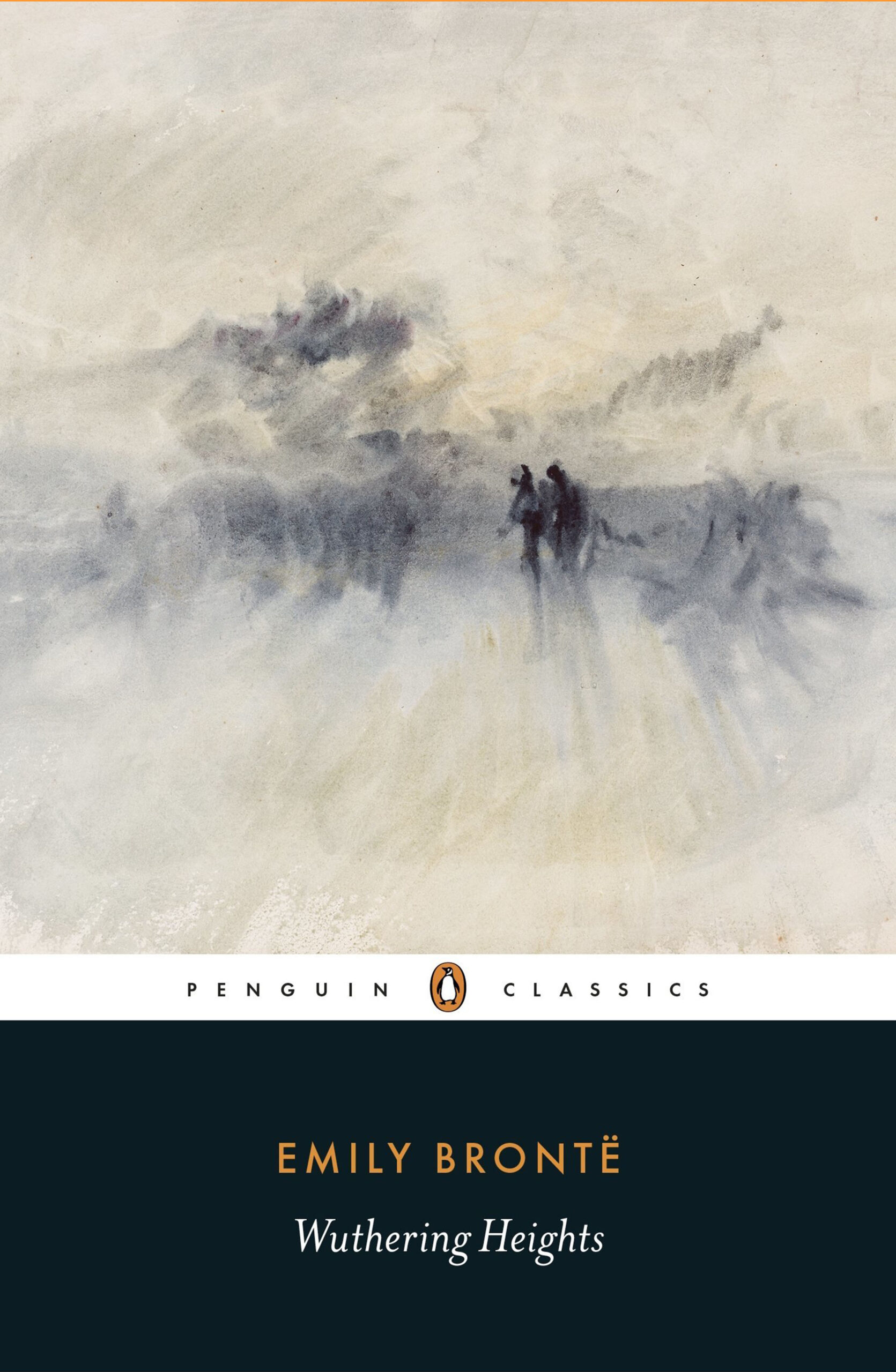
Wuthering Heights by Emily Bronte
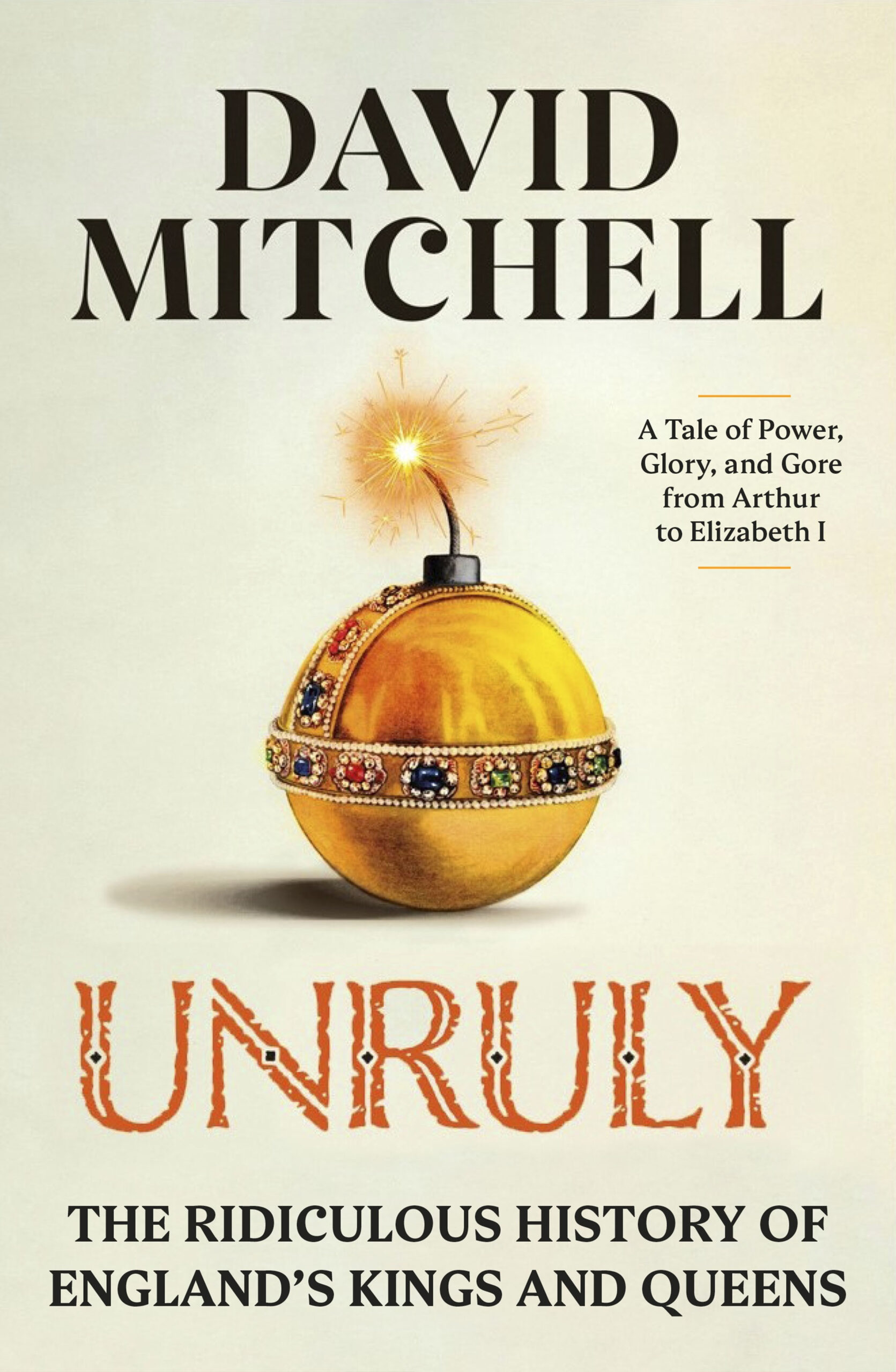
UNRULY by DAVID MITCHELL
The author isn’t the David Mitchell who writes sententious novels like Cloud Atlas. This is the one who sports a beard to camouflage his weak chin and has made a successful career as an actor, comedian, and TV and radio show personality. Apparently, he also writes a weekly column for The Observer, which is one of numerous newspapers I don’t read. I like him. He’s quick-witted and eloquent and especially outstanding playing Shakespeare in Ben Elton’s sitcom, Upstart Crow.
POLITICS ON THE EDGE by Rory Stewart
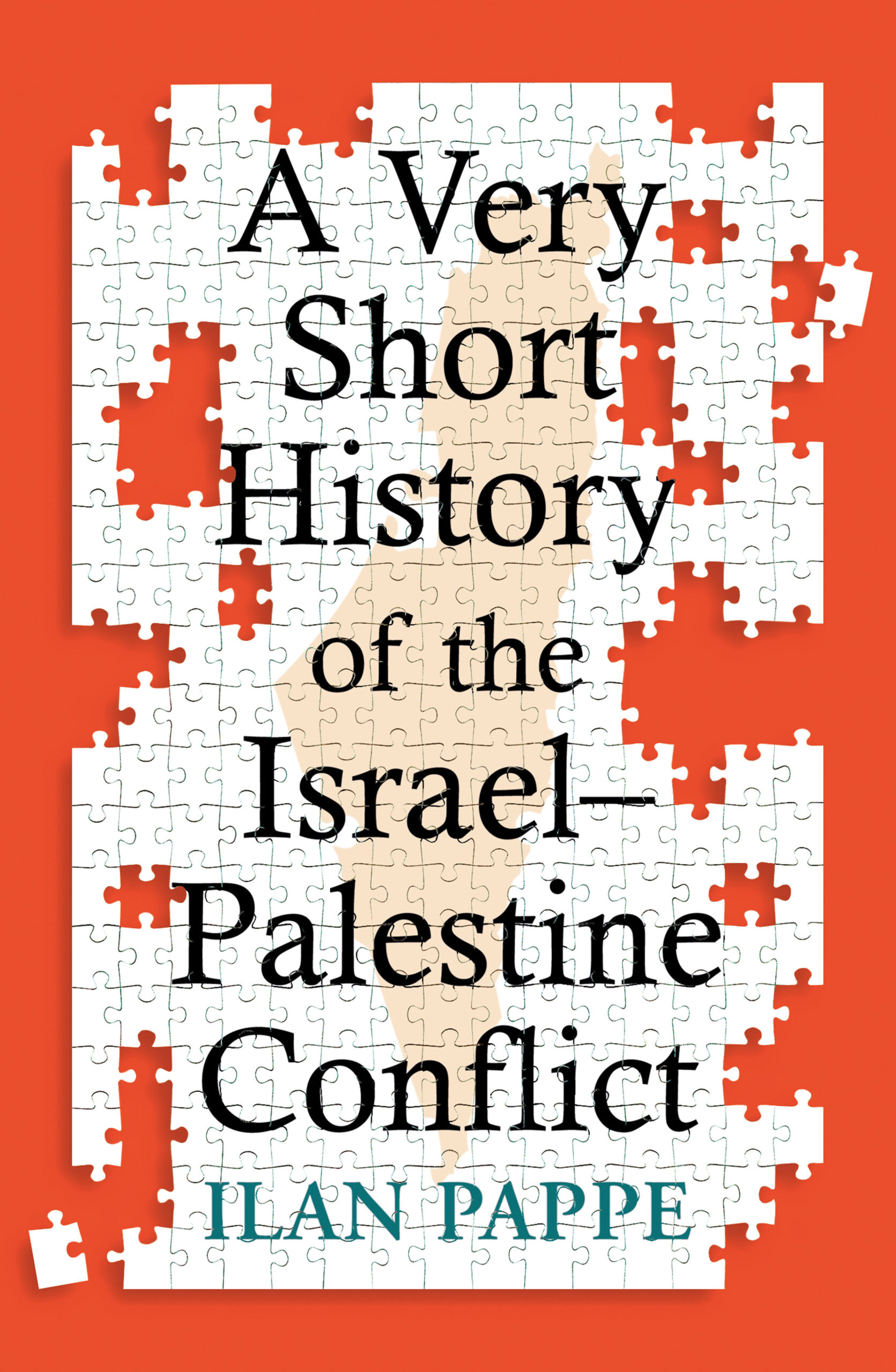
A VERY SHORT HISTORY OF THE ISRAEL- PALESTINE CONFLICT by Ilan Pappe
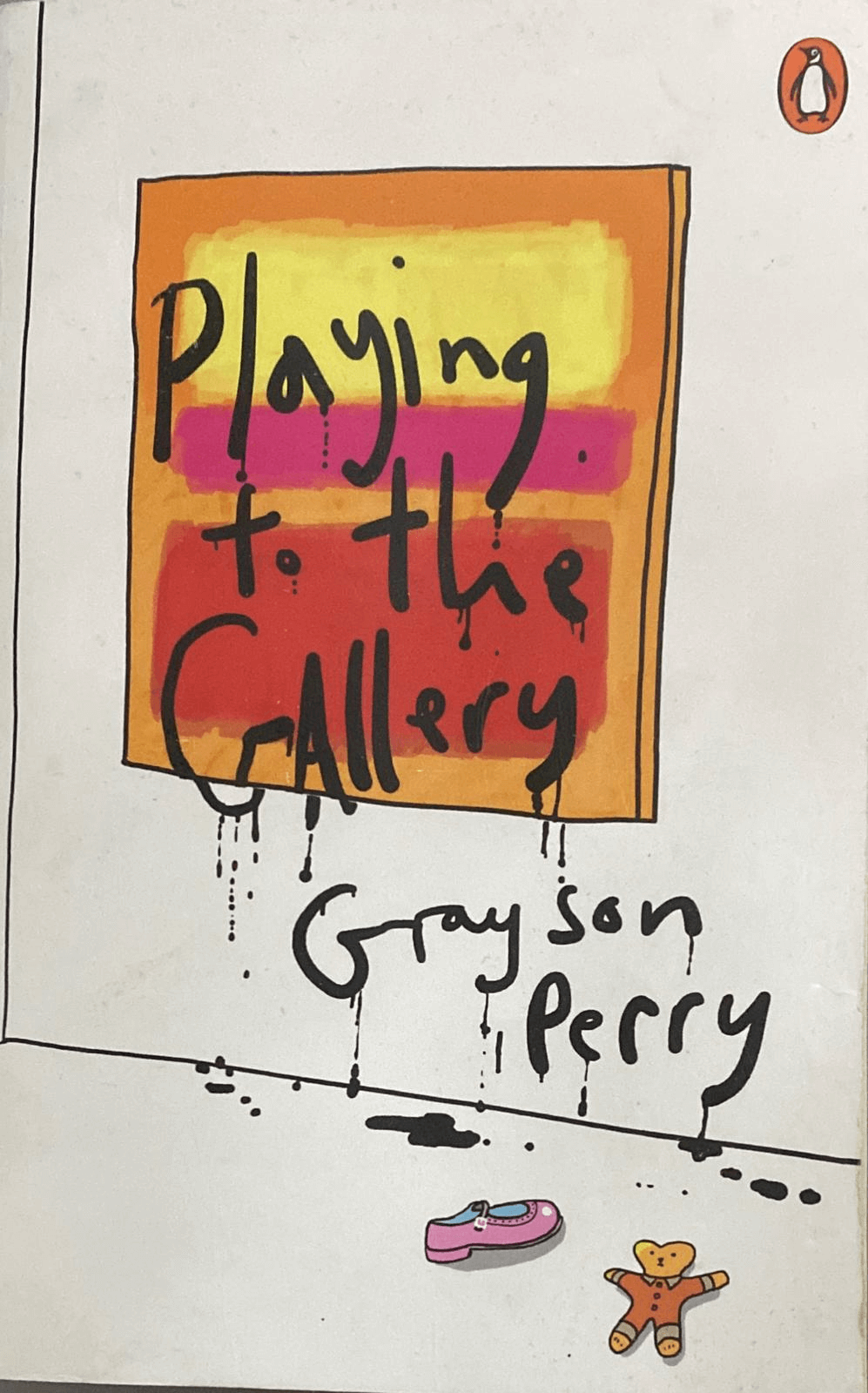
PLAYING TO THE GALLERY by GRAYSON PERRY
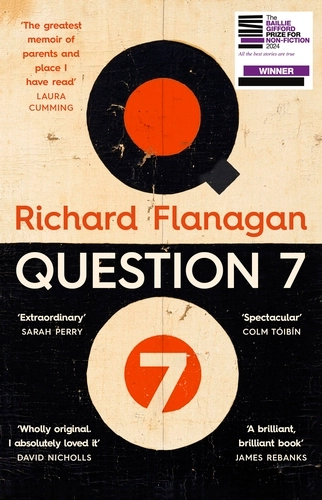
QUESTION 7 by Richard Flanagan
A distinguished writer once told a group of acolytes, of which I was a member, that he could recognise a good poem because of the physically intoxicating effect it had on him when he reached the end – “like quaffing a large whiskey”. When I reached the end of QUESTION 7 I felt as if I’d just glugged an entire bottle of Scotch and been simultaneously bludgeoned by an ice cold waterfall. As Anne Enright’s blurb announces, here is a book “itching to be quoted and underlined. A high reaching philosophical enquiry that is also fully personal” containing “indelible, morally piercing moments about atrocity, inheritance, nature and the colonial experience.”
Actually there’s more to it even than that and if you can’t find some strand within this multi-layered deviously twisting narrative that shocks, delights or enthralls you then maybe reading is just not your bag.
SELECTED SHORT STORIES by ANTON CHEKHOV
The Russian Anton Chekhov died of tuberculosis at the age of 44 in 1904, having authored over 500 short stories, several plays and numerous private letters, all of which remain in print today. His abusive and despotic father who had been born a serf made a living as a grocer only to go bankrupt when Anton was in his teens. Anton had five siblings. When the family fled to Moscow so that his father could avoid being sent to debtor’s prison Anton became its financial mainstay. He earned money writing comical sketches for magazines while simultaneously training to be a doctor at medical school. It is clear he was a resourceful young man with enormous energy. His ability to tell stories seems to have been inherited from his mother, who nonetheless became physically and emotionally broken by the experience of living in poverty in the capital.
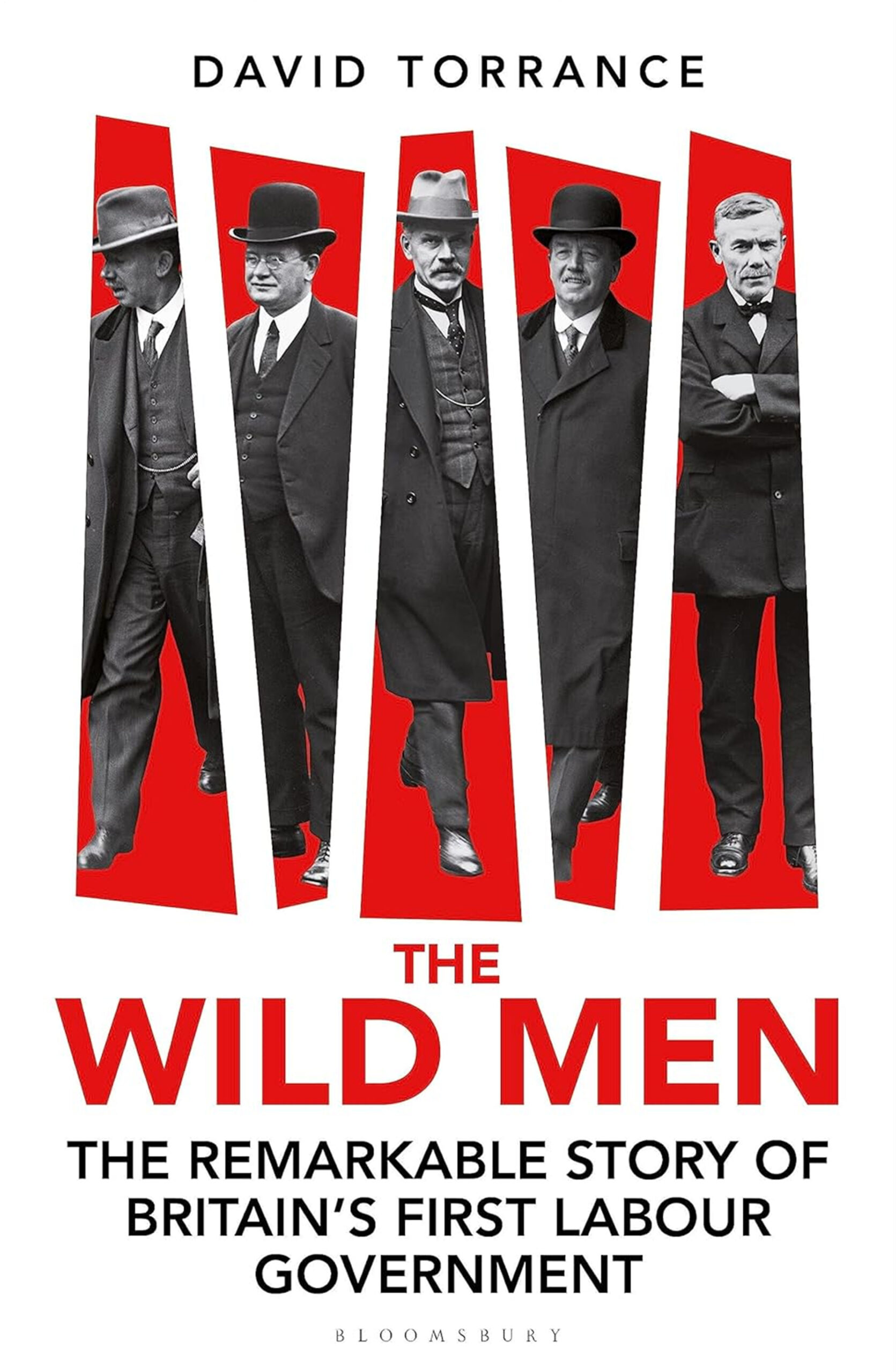
The Wild Men by David Torrance
Maybe a better title would have been The Whipping Boys? Isn’t that what those pioneers were? Fall guys, detested by the monarch and right wing press. I read the introduction and the first two chapters in which I felt bombarded by loosely linked names and quotations before succumbing to a sense of weariness. Is there going to be anything in this book that is not already condensed in the Wikipedia entry about the first Labour government? Hopefully yes – but the ponderous dry academic nature of the author’s prose put me off wanting to look for it. The book has the feel of a Ph.D thesis authored by an over-earnest student desperately trying to impress his peers. Look at me, lads, how well have I mastered all the source material, he seems to plead, and thereby earnt my place in the great pantheon of historians of 20th century British politics!
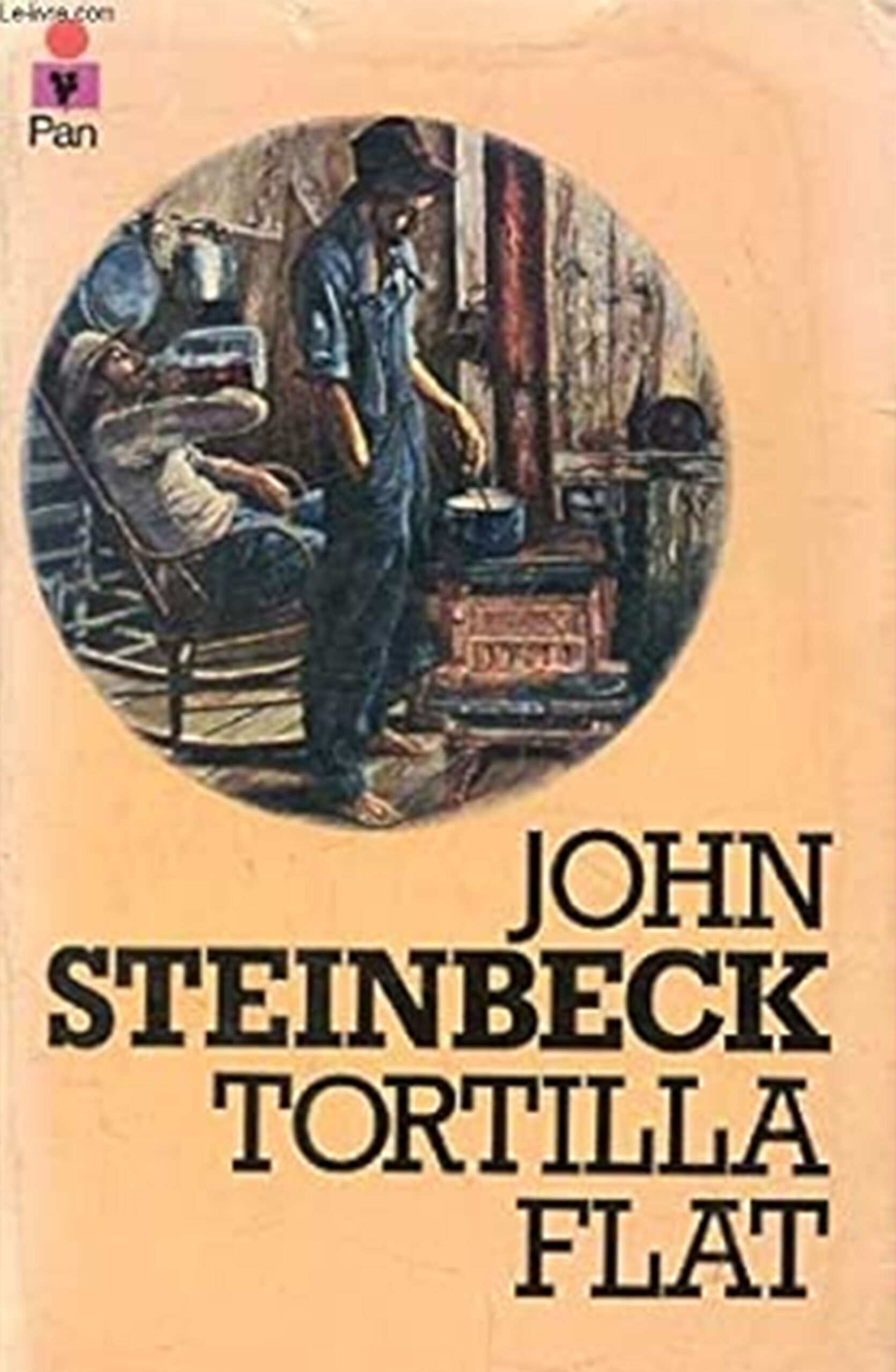
Tortilla Flat by John Steinbeck
One of the most interesting places to visit if you are ever in California is Monterey Bay. Today it is an affluent tourist haven, the home to celebrities like Brad Pitt and Clint Eastwood and an ideal stretch of coast to spot whales, play golf, browse art galleries and devour expensive haut cuisine meals. The hub of the sardine industry known as Cannery Row no longer exists, the wooden ramshackle sheds having been long since replaced by condos and hotels. The neighbourhood above Cannery Row is still called Tortilla Flat but has become thoroughly gentrified. It offers steeply descending residential streets and glorious views across the ocean. All signs of poverty and panhandling paisanos have been banished.
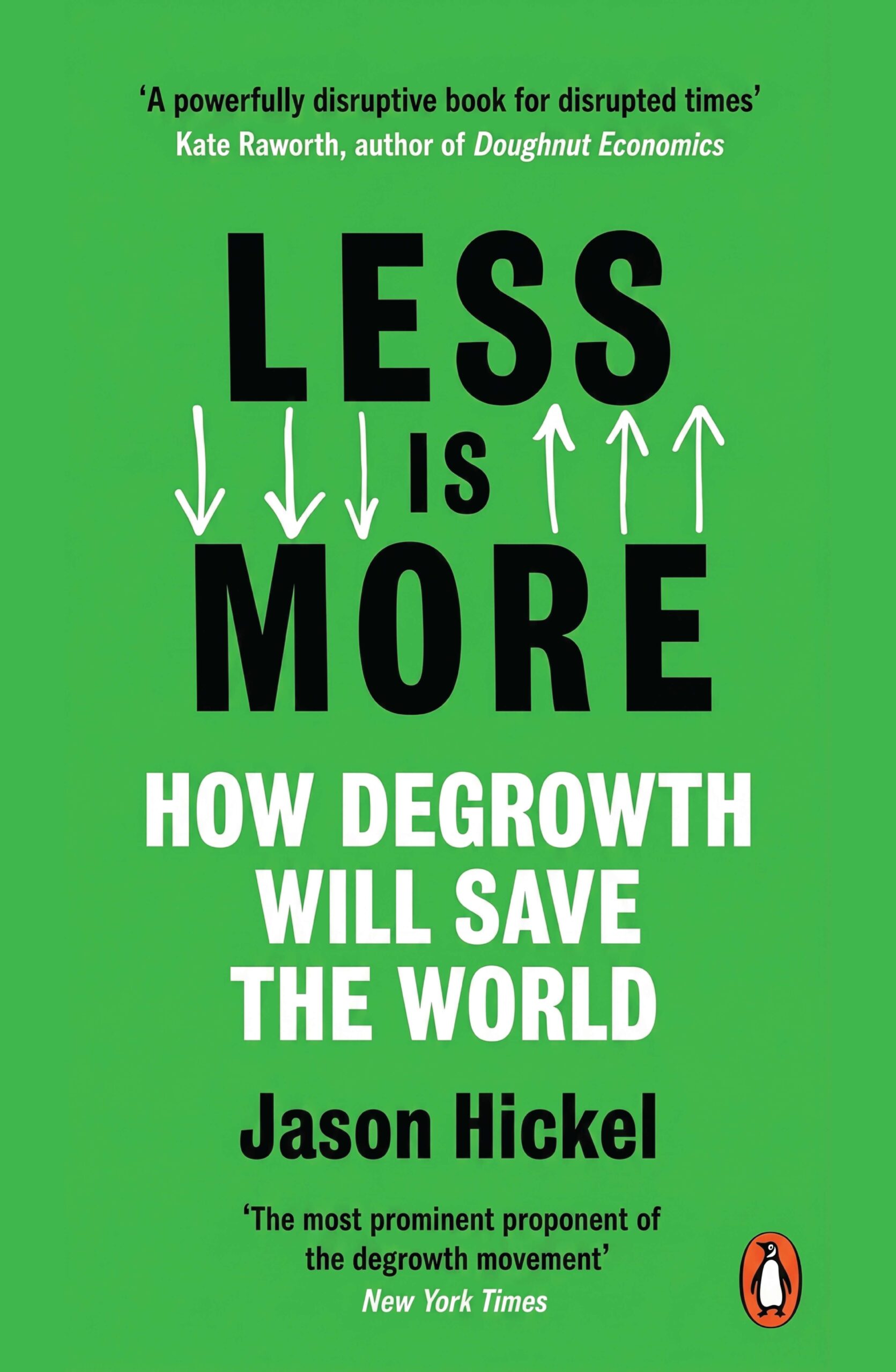
Less Is More by Jason Hickel
“Th’ whole worl’s in a terrible state o’ chassis!” bewailed the drunken Captain Boyle at the end of Sean O’Casey’s 1924 play Juno And The Paycock and so it still is today just over a century later. Climate change, species extinction, dwindling natural resources, deforestation, rising sea levels, over-population – all these things are dangerously in play and unless we do something about them it is unlikely too many of us anthropocenites will still be around in 2124 to muse over O’Casey’s prophetic words.
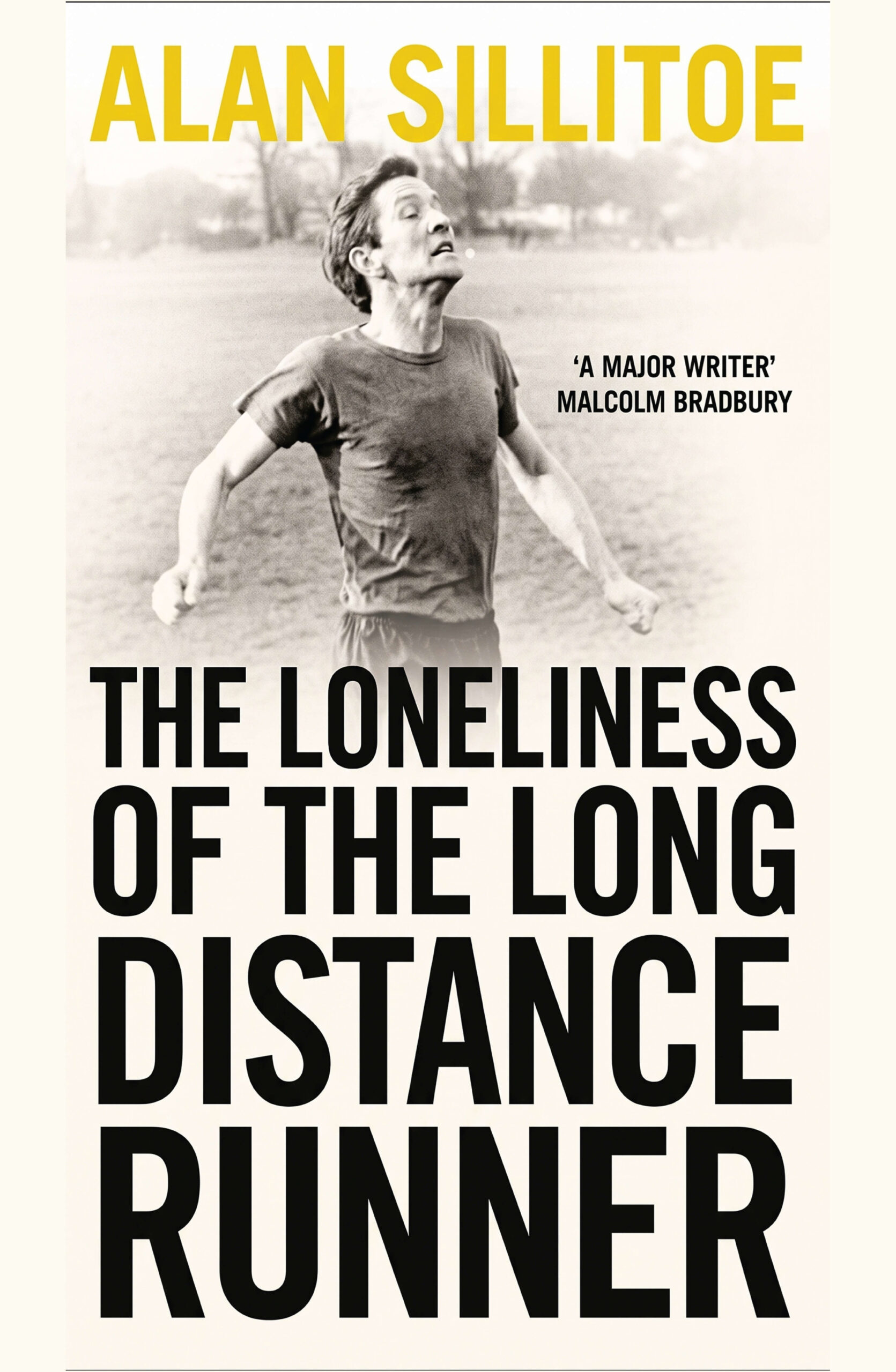
The Loneliness Of The Long Distance Runner by Alan Silitoe
The best storytellers explore the dynamics of individual and collective power. They feed and stimulate our historical memory and in so doing we are indebted to them for sustaining our moral integrity. Alan Silitoe falls easily into this category of writer. There are nine stories in this collection, first published in 1959, and the title one is the longest. “As a mirror of working class life,” the blurb editor informs us, these yarns are “worth several works of sociology”. Having been born and bred in a northern council estate during the immediate post war years I have no problem endorsing that opinion. These real life anecdotes reek of nostalgia for me. They open up windows of memory that have long since become shuttered.
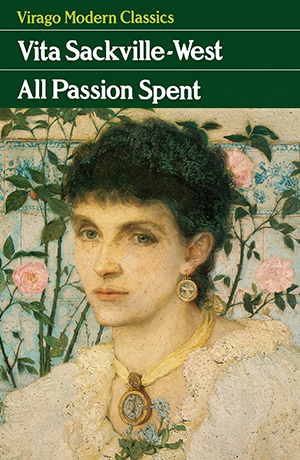
All Passion Spent by Vita Sackville West
First published in 1931 this novel, I beg to suggest, is a work of genius. I read it during the summer, very slowly, often rereading the most beautifully crafted sentences and astute perceptions. At 169 pages the novel is short but a model of concision. I am forced to agree with the Times critic quoted on the back cover that, “Every page is a pleasure to read.” All I knew about VSW before this was that she had masterminded that beautiful garden at Sittinghurst Castle and that she enjoyed sleeping with women more than with men. In her own day she outsold Virginia Woolf, her lover, but later fell foul of the Modernist literary movement and became rapidly demoted in the estimation of her peers. What bombastic fools! All of them were men too, it goes without saying.
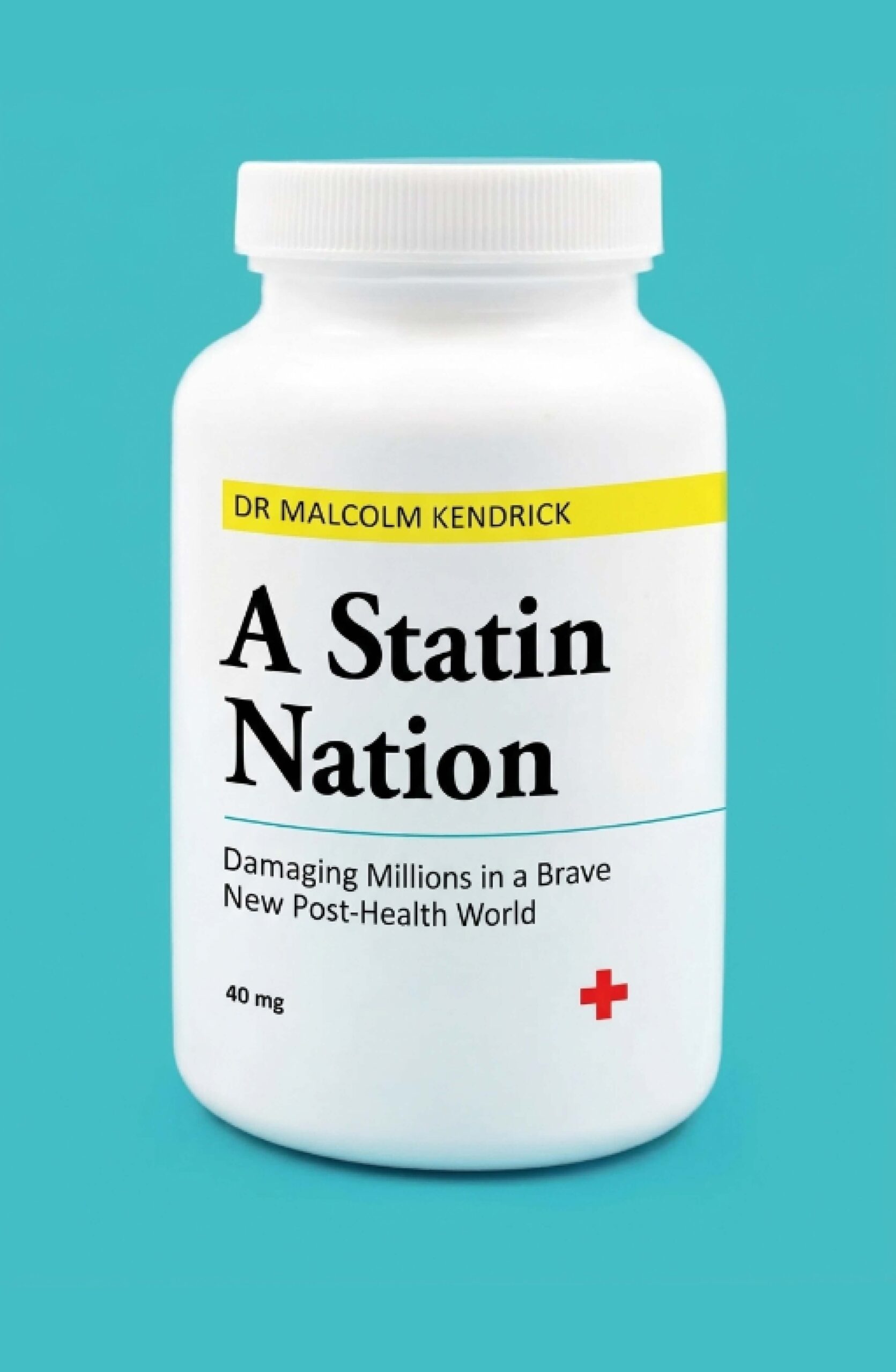
A Statin Nation by Malcolm Kendrick
“There are many ways to die but happily you only die once” is one of the leitmotifs of this neat, apoplectic little book. It reads like a high explosive grenade being thrown into the epicentre of our smug assumption that medical science is always right and unerringly serves human interests. Dr Kendrick, a humble GP and heart disease enthusiast from Scotland, has made a career out of warning us to stop being so naive and to examine the evidence. We are being fooled by the conspiracy between Big Pharma and a host of frontline biochemical research medics, he argues, to believe that of all the deadly enemies beginning with a capital C which confront us in today’s calamitous world (think Cancer, Covid and Climate Change for instance) the worst of these is CHOLESTEROL
The Sister Brothers by Patrick de Witt
It is Oregon City in 1851 and the Californian gold rush in full swing. Our narrator is one Eli Sisters who sits outside the mansion of a wealthy entrepreneur referred to only as “the commodore”, waiting for his brother Charlie to emerge to announce the nature of their next murder assignment. Yes, this is the story of two hired killers dispatched on an errand halfway across frontier land America to dispatch their boss’s latest enemy to the afterlife. Eli is kind enough to invite the reader along with them to experience their bizarre journey at first hand. For those with a literary bent the adventures of Don Quixote and Sancho Panza very quickly come to mind. It will be recalled that Sancho was the pot bellied peasant squire who provided the essential common sense and earthy wit that counterbalanced his master’s grand romantic delusions. So it goes similarly with Charlie, the older lead brother and his sibling – except that Charlie is a ruthlessly uncompromising thug, utterly devoid of romantic or any other form of civilising characteristics, who will kill, rape and pillage without a moment’s compunction.
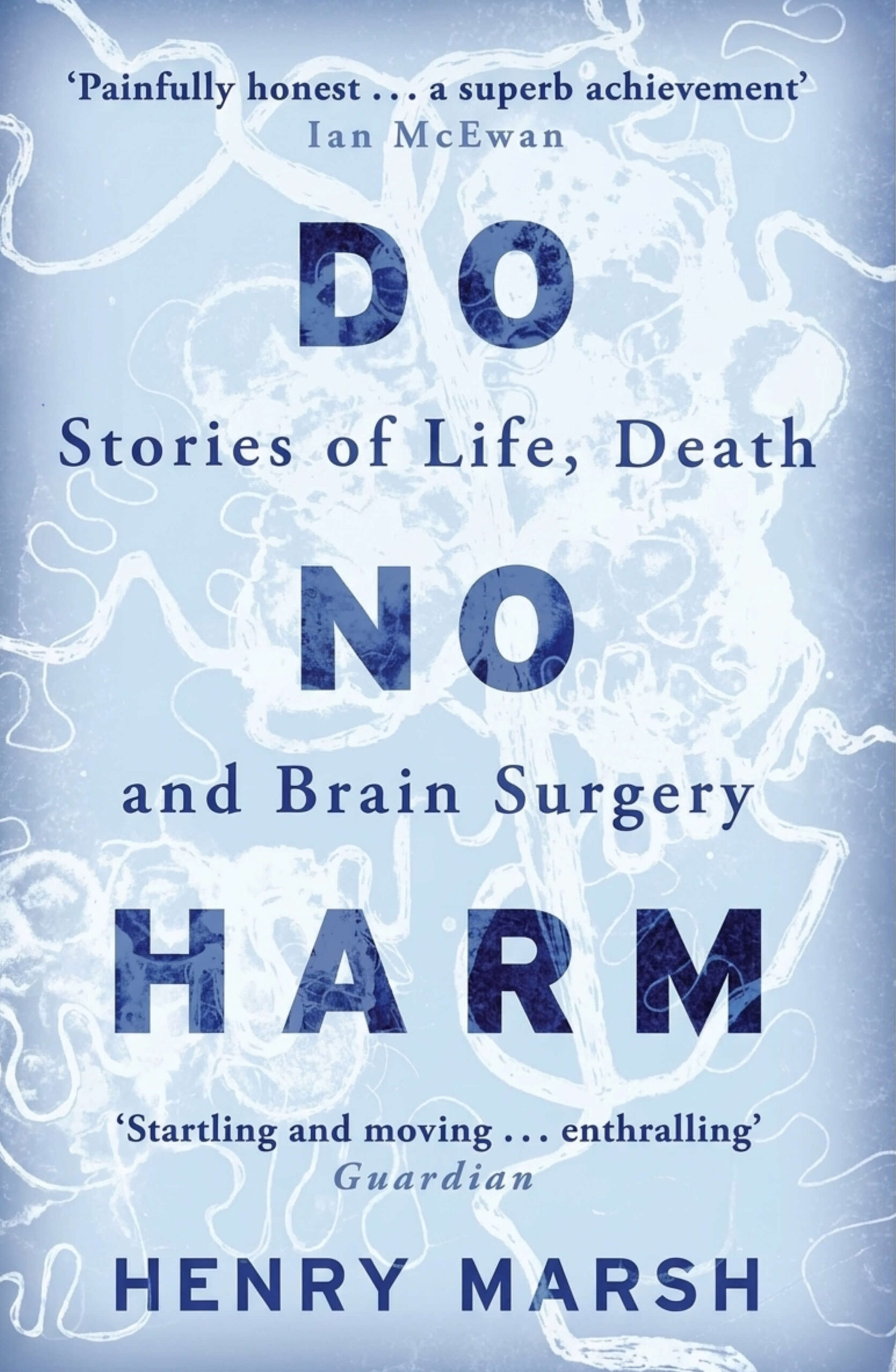
Do No Harm by Henry Marsh
I read this book a few years ago and rediscovering it in a hidden corner of my book case was a bit like becoming suddenly reacquainted with a lovable old half-forgotten friend. Professional memoirs rarely come as honest and hard hitting as this and, as a consequence, the now retired brain surgeon Henry Marsh has a legion of celebrity admirers including Phil Hammond, Bill Bryson and Ian McEwan. It hardly needs me, therefore, to suggest Henry’s autobiography is a must read.
Books I’ve reviewed
About These Reviews
A few years ago I invited a few friends to meet up at my house on a Monday night to share experiences of a common interest. At the time I had got fed up with the superficial small talk that seemed to always predominate in the social circles I belonged to. What I had in mind was something akin to an encounter group. As Paulo Freire once stated, “At the point of encounter there are neither utter ignoramuses nor perfect sages. There are just people trying to find out more than they now know.” In other words I wanted to instigate a conversational exchange on equal terms in which everyone was carefully listened to and encouraged to participate. Anyone could throw a topic into the ring and we would give it a good airing. Together as a group we would become increasingly more transparent, honest and intimate with each other.
However, things did not develop quite as I had anticipated. Not everyone shared the same objectives. Not everyone knew what they wanted to talk about or desired to be open in disclosing their feelings. Several required a structure for the evening, a specific task or a target. So the idea of reading a selected text quickly arose. “All we need to do is choose a good book and the life enhancing conversation will inevitably proceed when we come to discuss it.” Initially I didn’t much like this idea. I considered it a bit of a cop out. Surely we can chew the existential fat without needing a book to kickstart the operation? But I turned out to be in a minority of one and as a democrat I had no choice but to acquiesce.
Sixteen years later I have no regrets. I have been forced to read books on subjects well out of my comfort zone and to reflect quite deeply on my own prejudices as well as the prejudices of others. One person’s reading meat is another’s poison. That is unquestionable. One person wants laugh out loud entertainment and spine chilling suspense while another wants cutting edge knowledge and original thought. One person loves simplistic characterisation and sentimentality, another likes psychological complexity and moral rigour. I have also been enabled to think about the way the book industry works, sometimes quite opportunistically and meretriciously and at other times with honorable integrity.
One thing I have come to realise is that writing a review of a book is for me a valuable exercise on its own. If a book has become a way of beginning a conversation, then a review is simply a way of extending it, of putting my response in some kind of coherent order. Somebody – it may have been Joyce Cary? – once wrote that “Just as the writer needs to learn how to write, so the reader needs to learn how to read.” I agree with that. Reading is a creative act, not a passive one. Readers should not be like empty vessels waiting to be filled up with wisdom, entertainment, wonder or whatever else. They should exercise curiosity about what the author is pouring into them and how exactly s/he’s selected the ingredients. At least that is one of my prejudices.
Another of my prejudices is that all authors are storytellers whether they realise it or not. Even the most factual book ever written is a story, whether it be Wayne Grudem’s Systematic Theology or Delia Smith’s Complete Cookery Course. So please take a look at my book reviews if you will – but I suggest only after you have read the book and want to join the conversation. Otherwise my critiques may tend to spoil your future enjoyment by giving away too much of the narrative and ending. I evaluate them from 1 to 5 stars for merit.